marketing
rapport
Season 4 Episode 3
Navigating Global Identity and Privacy Trends at CES
 Listen on
  Listen on
RESOURCES ❯ The Marketing Rapport Podcast
Episode Summary
At CES in Las Vegas, Tim Finnigan takes The Marketing Rapport on the road to examine how marketing teams are adapting to AI, data, and shifting buyer behavior. Joined by leaders from product, events, and go-to-market strategy, the episode focuses on what it takes to stay relevant as technology and expectations change.
Kelly Barrett, SVP of Product Management at Samba, explains why data strategy must come before AI strategy. She shares how global privacy rules, identity signals, and new channels are shaping product decisions, and why simplifying workflows matters as teams scale. Kelly also discusses Samba’s move beyond TV and the rise of agentic systems.
Nola Solomon, Founder and CEO of Renoverse AI, looks at how brands show up in GEO, AEO, and emerging buying models. She breaks down why clear positioning and cultural relevance matter more than buzzwords. Becky Rowbotham, Senior Tradeshow & Events Manager at Verisk Marketing Solutions, closes with a practical view on event strategy, thought leadership, and using CES to drive stronger conversations throughout the year.
Guests-at-a-Glance

- Name: Nola Soloman
- What they do: Founder & CEO
- Company: Renoverse AI
- Noteworthy: Nola advises companies on go-to-market strategy, specializing in storytelling, brand positioning, and AI-driven marketing for fast-changing tech markets.
- Where to find them: LinkedIn

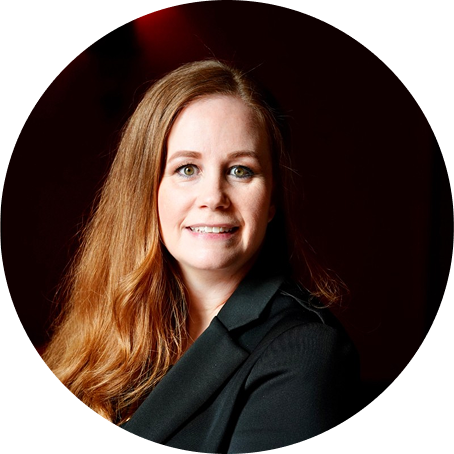
- Name: Becky Rowbotham
- What they do: Senior Tradeshow & Events Manager
- Company: Verisk Marketing Solutions
- Noteworthy: Becky leads event strategy and logistics, bringing together teams and clients at major industry conferences like CES to drive brand recognition and build connections.
- Where to find them: LinkedIn
Key Insights
- Data Strategy Comes Before AI Strategy
A solid data foundation is essential for any organization aiming to use artificial intelligence in marketing. Without clear, organized, and privacy-conscious data practices, even the best AI tools will fall short. Brands need to prioritize collecting quality data, ensuring consent, and building reliable systems before layering on advanced analytics or automation. This approach allows teams to identify trends, monitor changes in real time, and make informed decisions rather than chasing the latest technology for its own sake. By focusing on good data inputs, organizations set themselves up for better outputs and smoother adoption of new tools, whether that’s for personalization, measurement, or campaign optimization. When data comes first, AI and other innovations can deliver real results.
- Modern Brands Must Earn Cultural Relevance
Brands today no longer control how they are perceived — consumers do. With the rise of new buying channels, social platforms, and agentic (AI-driven) technologies, consumers shape brand reputation in real time. This shift means brands must engage authentically and find ways to become part of the cultural conversation. Success depends on understanding the communities and identities your customers belong to, not just targeting broad demographics. Measurement now includes cultural relevance: Are you resonating with your intended audience, and does your message fit their context? The brands that stand out are those that connect with people on an emotional level and stay memorable far beyond a single campaign. Cultural intelligence, not just reach, drives brand growth.
- Global Personalization Requires Local Understanding
Personalization isn’t about applying one approach everywhere. Markets differ widely in their expectations, privacy standards, and behaviors. To reach consumers in new regions, brands need to respect local norms and adapt their strategies to meet unique demands. This means building flexible systems that account for differences in identity, consent, and technology adoption. Success comes from listening closely to local audiences, simplifying opt-in and opt-out processes, and using diverse data sources. By moving away from a one-size-fits-all mindset, organizations can create experiences that feel personal and relevant, boost trust, and build stronger global relationships. Local context shapes every touchpoint, making thoughtful adaptation the key to real personalization.
Episode Highlights
Samba Rebrands for a Broader Media Landscape
Timestamp: [00:01:35 – 00:02:45]
Samba is shifting its brand and dropping “TV” to reflect a wider focus beyond
television. The company now gathers web intent data and supports a range of use cases across digital media, sponsorships, and sports arenas. This change signals a move to capture the full spectrum of consumer touchpoints, not just those tied to a single screen. The approach aims to give clients a broader view of consumer behavior, supporting evolving strategies in advertising and content. The rebrand makes the company’s mission clearer and more adaptable as media consumption habits fragment across devices.
“We do a lot more than TV. We have web intent data. We have a lot of identity. We have many use cases for our clients that are not just around TV. So we’re bringing that world together and announcing Samba as the full brand. You’ll see that all come out. It’s a lot easier to explain, especially in a world where we are looking at consumers not just under one screen, one lens, but across everything they touch—from media, content, and advertising.”
Privacy and Diversity in Global Data Collection
Timestamp: [00:03:09 – 00:03:46]
As Samba grows internationally, the company faces different privacy expectations and technology adoption rates across markets. The team makes privacy a core part of its product strategy, focusing on clear opt-in and opt-out processes for consumers. They also ensure data comes from a broad mix of households, not just high-end device owners. This approach helps Samba build trust and adapt to local realities in markets like India, Mexico, and Brazil, where consumer behaviors are far from uniform.
“Privacy is very important. From the outset, we are very involved in making sure that we are not only watching out for what consumers are doing, but also educating people in this space on how important opt-in and opt-out are, and what the simplicity of doing so means to a consumer.”
Innovation Means Streamlining, Not Just Adding Features
Timestamp: [00:05:09 – 00:06:01]
Innovation is not just about new products — it’s also about making processes
easier for teams and clients. By automating repetitive tasks and simplifying workflows, organizations can free up time for creative thinking and problem-solving. Samba’s focus on agentic technology and workflow automation aims to let people spend less time on low-value work and more on what matters most. The end goal is to deliver more value to customers while keeping teams energized and proactive.
“A lot of innovation is also about how you make things easier for everyone. And I’m hoping that, with this agentic world, we’ll be making things easier for everyone—streamlining workflows, with tons of innovation happening there. So let’s put people’s brainpower back to work toward that innovation and clean up the things that are work we don’t want to do anymore.”
CES Vibe: Collaboration and Connection
Timestamp: [00:06:16 – 00:06:43]
The CES conference this year stands out for its strong spirit of collaboration. Instead of simple partnerships between two companies, the event showcases more multi-party alliances and efforts to “connect the dots” across the industry. Attendees are focused on building networks and exploring new ways to work together. This shift reflects broader trends in tech and marketing, where big challenges require cooperation beyond company lines and disciplines.
“The vibe this year? It feels energetic. Collaboration has been here the whole time, but this year you’re seeing a lot more announcements that are not just two parties coming together, but multiple parties coming together. So I think that has been a big vibe that I’ve been feeling, and that’s probably why my calendar looks the way it does, because we’ve got a lot of people lined up. And we’re trying to connect the dots for everyone as well.
Top Quotes
Kelly Barrett [~00:03:10]
“”Identity, privacy, viewership, trends, things along those lines are all different. One of the great things that Samba does in this space is we have partnered with a number of TV OEMs to really diversify that and not be, hey, it’s just the high-end TV sets that I know you are buying because you spend some money, sir. No. But it’s across the full spectrum. So we’re seeing tons of different households in all of these places. You can imagine in certain markets. This year we’re going into India, Mexico, Brazil, and expanding our footprint there. It’s not the same homogenous set of people”
Nola Soloman [~00:11:10]
“I think there’s a lot of excitement kind of going around, but it’s not quite like this frantic excitement that I felt last year. Last year, AI was really just brand new and nobody really knew what to think about it or how to talk about it, or how it was actually going to impact their businesses. But it was obviously a hot topic, which it still is this year, but it was just a lot more like frantic sensations. And this year things feel a little bit calmer. People have a much better sense, even though it’s still evolving so much, about what they’re doing, how they’re starting to implement it.”
Nola Soloman [~00:11:10]
“Last year, AI was really brand new, and nobody really knew what to think about it, how to talk about it, or how it was actually going to impact their businesses.”
Kelly Barrett [~00:05:44]
“Let’s put people’s brain power back to work towards that innovation and clean up the things that are work that we don’t want to do anymore.”
Kelly Barrett [~00:06:19]
“This year, you’re seeing a lot more announcements that are not just two parties coming together, but multiple parties coming together.”
Nola Soloman [~00:18:08]
“There are some companies I’ve been involved in around building cultural intelligence engines to create a new metric around cultural relevancy.”
Kelly Barrett [~00:09:44]
“I want to grow people. And I want them to be my boss in the future.”
Nola Soloman [~00:14:28]
“You can have an amazing product, but if you don’t sell it and you don’t continue to grow the scale of happy customers and new customers, then you don’t really have a business.”
Nola Soloman [~00:13:46]
“A lot of people think they know what they’re doing. Many actually admit that they don’t.”
Becky Rowbotham [~00:23:17]
“You can show up at show after show after show, but unless you’re strategic with how you’re showing up, it becomes just meetings and leads.”
The views, thoughts, and opinions expressed are those of the speaker and do not necessarily represent the views, thoughts, and opinions of ActiveProspect. The material and information presented here is for general information purposes only.
This podcast is not intended to replace legal or other professional advice. The Lead Intelligence, Inc. (dba InfutorData) and ActiveProspect LLC names and all forms and abbreviations are the property of its owner and its use does not imply endorsement of or opposition to any specific organization, product, or service.
ACTIVEPROSPECT DISCLAIMS ALL LIABILITY ARISING OUT OF ANY INDIVIDUAL'S USE OF, REFERENCE TO, RELIANCE ON, OR INABILITY TO USE THIS PODCAST OR THE INFORMATION PRESENTED IN THIS PODCAST.
 Your Privacy Choices